Cart
0
You may also like
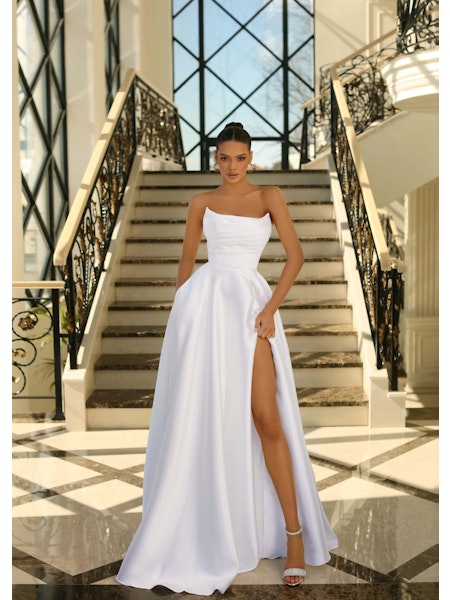

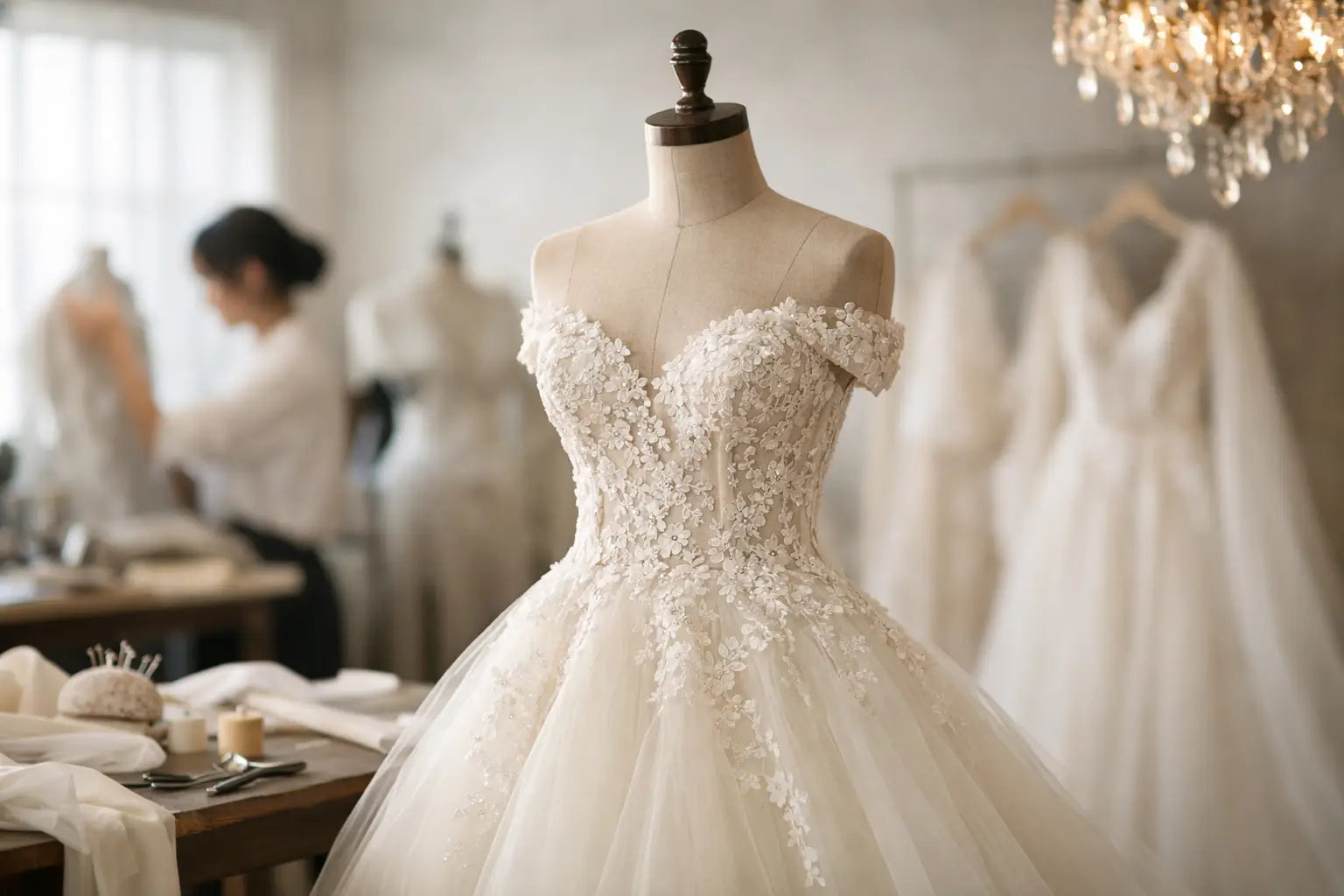
The word couture gets used a lot in bridal, and that is exactly why it can feel confusing. If you have been asking what is couture wedding dresses, the short answer is this: couture wedding dresses are gowns made with a high level of craftsmanship, detailed construction and a more personalised design process than standard ready-to-wear bridal gowns.
That sounds simple enough, but in practice, couture means more than just fancy fabric or extra beading. It refers to how a gown is made, how closely it is shaped to the bride, and how much handwork goes into the finished result. For brides choosing between different styles of wedding dress, understanding that difference can save a lot of second-guessing later.
When people talk about couture wedding dresses, they are usually talking about bridal gowns created with exceptional attention to fit, finish and detail. In true couture, the dress is not simply taken from a standard size run and altered. It is built with a more individual approach, often involving custom measurements, specialist pattern work and hours of hand-finishing.
In bridal, though, the term is sometimes used more loosely. Some gowns are called couture because they have a couture look - dramatic structure, intricate lace placement, hand-sewn embellishment or elevated fabrics. Others are closer to genuine couture construction. That is where many brides get tripped up. A dress can feel couture without being fully custom-made from scratch.
This matters because expectations need to match the gown. If you hear couture, you might picture a one-off masterpiece created only for you. Sometimes that is accurate. Sometimes it simply means a very high-end dress with refined workmanship and premium detailing.
The biggest difference is in the making. A couture wedding dress is usually defined by craftsmanship first, not just by the label attached to it.
The fit is one of the clearest signs. Couture gowns are designed to follow the body in a precise, flattering way. That can include internal corsetry, carefully placed seams, layered linings and structure through the bodice so the gown sits beautifully rather than just looking good on a hanger.
The materials also play a major part. Couture bridal gowns often feature luxury fabrics such as silk mikado, fine tulle, detailed lace and hand-applied embellishments. The difference is not always obvious in a photo, but you often notice it when you see the dress move or try it on yourself. The fabric has a different weight, drape and finish.
Then there is the detail work. Hand-beading, lace appliqué placement, delicate pleating and sculpted skirts all take time and skill. In couture, these details are not there just to be decorative. They are often used to shape the dress, flatter the figure and create a more polished final result.
This is where the bridal world can get a bit blurry. Not every designer wedding dress is couture, and not every couture-inspired dress is fully couture.
Designer bridalwear usually comes from a collection. The gowns are professionally designed, beautifully made and available in standard sizes. From there, alterations can refine the fit. This is the most common path for brides because it gives you access to stunning gowns with a clear starting point.
Couture sits further along the scale of customisation and craftsmanship. It leans more heavily into individual fit and labour-intensive construction. In some cases, the gown is made specifically for one bride from the beginning. In others, it starts with an existing design but includes a far more personalised process and finish.
For many brides, the question is not whether couture is better. It is whether couture is necessary for the look, feel and level of customisation they want. A well-chosen designer gown with expert styling can be just as breathtaking for the right bride.
There is a reason the word carries so much appeal. Couture wedding dresses often feel special in a way that is hard to fake. The structure is more considered, the finish is more refined and the overall effect can feel incredibly elevated.
For some brides, it is about originality. They want a gown that feels deeply personal and unlike anything else in the room. For others, it is about fit. A dress built with more precision can create that secure, sculpted, confident feeling brides often talk about after finding the one.
There is also the visual impact. Couture gowns tend to hold shape beautifully, photograph well and deliver those memorable details up close. Think lace that has been thoughtfully placed rather than repeated by machine, or a bodice that supports and contours rather than just sitting over the body.
That said, couture is not automatically the right choice for every wedding. If your style is relaxed, minimalist or easy to wear, a simpler designer gown may suit you better than a heavily structured couture look. It really depends on your vision, your comfort and how you want to feel on the day.
It is not just a synonym for expensive. A wedding dress can carry a couture look because of its finish and design details, but that does not always mean it was created through a traditional couture process.
It is also not always the most practical option for every bride. More structure, more embellishment and more custom detail can mean a gown feels heavier or more formal. Some brides love that drama. Others try it on and realise they want freedom to move, dance and keep things simple.
And it is definitely not the only path to looking incredible. This is one of the biggest misconceptions in bridal shopping. You do not need a couture gown to look polished, modern or unforgettable. What matters most is choosing a dress that suits your shape, your style and the atmosphere of your wedding.
Start with your priorities, not the label. If your dream gown is all about exceptional detail, sculpted fit and a statement finish, couture or couture-inspired bridalwear may be exactly what you are after.
If you are drawn to cleaner lines, lighter fabrics or a more straightforward shopping process, you may be happier exploring designer collections that offer beautiful construction without the intensity of full couture. There is no wrong answer here. The best dress is the one that feels right when it is on your body, not the one with the most impressive description.
Trying different silhouettes helps more than reading bridal jargon ever will. A bride may arrive convinced she wants something heavily embellished and fitted, then fall in love with a sleek satin gown that feels effortless. Another may think she wants simple until she tries a structured lace bodice and suddenly sees herself differently.
That is why expert guidance matters. In a showroom setting, you can compare fabrics, fit and finish side by side and get a much clearer sense of whether a couture look is worth pursuing for your wedding style.
Even before you know the technical side, couture-style gowns tend to stand out in a few obvious ways. The bodice often feels more supportive, the skirt sits with more intention and the finishing details look cleaner and more refined.
Brides also notice how balanced the gown feels. In well-made couture-inspired bridalwear, the details do not compete with each other. The neckline, waistline, lace placement and train all work together. That harmony is one of the reasons these gowns can feel so memorable.
Another standout is movement. A couture gown does not just look dramatic in still photos. It often moves beautifully as you walk, turn and hold yourself naturally. That can make a huge difference to how confident and comfortable you feel throughout the day.
Be open-minded from the start. Rather than searching only for the word couture, pay attention to construction, fit and how a gown actually feels when you try it on. Some brides discover that what they really wanted was not true couture, but a dress with couture-level detail and presence.
It also helps to shop with clarity about your wedding setting. A formal ballroom celebration may suit a structured, dramatic gown. A beach ceremony or intimate elopement may call for something softer and easier to wear. The dress should work with the day, not against it.
If you are visiting a bridal showroom, ask to see gowns with elevated detailing, strong structure or hand-finished elements. A broad in-store selection makes this easier because you can compare options in real time instead of guessing from photos alone. At The Bridal Company, many brides find that once they can feel the fabrics and see the workmanship up close, the difference becomes much clearer.
Couture is not about chasing a label for the sake of it. It is about understanding what kind of craftsmanship, fit and finish will make you feel your absolute best when the moment arrives. The right gown should feel exciting, flattering and unmistakably you.