Cart
0
You may also like
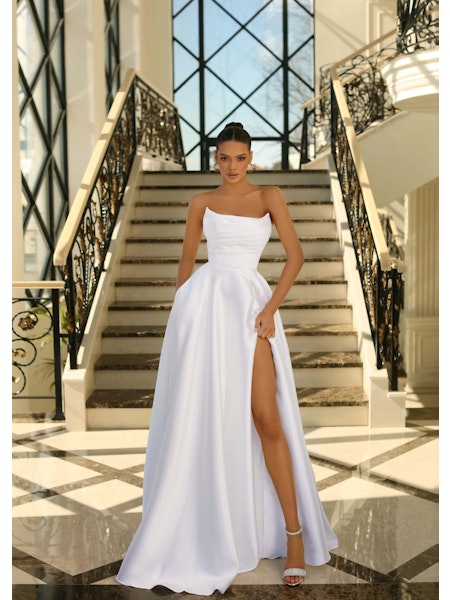


The moment you find your dream dress is rarely the moment you expected. It might be the gown you nearly did not try, the shape you assumed would not suit you, or the one that makes everyone in the fitting room go quiet for a second. Finding it is not about following every trend or arriving with a perfect picture in mind. It is about recognising the dress that feels like you, only more confident.
At The Bridal Company, we see it every day: brides and formalwear shoppers walk in with a handful of ideas and leave with a much clearer sense of what makes them feel amazing. A little preparation helps, but so does staying open to the unexpected.
Before you save another hundred images, think about how you want to feel at your event. Do you picture yourself feeling soft and romantic, sleek and modern, relaxed and effortless, glamorous, dramatic or classic? That feeling is often more useful than naming a dress style straight away.
A bride planning a garden wedding may be drawn to light layers, movement and delicate detail. Someone celebrating in a formal venue may love a fitted silhouette, a clean neckline or a statement train. For a school formal or evening event, you might want to feel elegant while still being able to walk, sit, dance and enjoy the night without fussing with your gown.
Inspiration is helpful, but it can also become noisy. Save the images that make you stop scrolling, then look for the common thread. Perhaps you keep choosing structured bodices, soft satin, detailed lace, open backs or gowns with a little sparkle. Those repeated details tell a more useful story than trying to copy one exact dress.
Most people have a style in mind before their appointment. That is a great starting point, not a rule. The dress that photographs beautifully on someone else may not give you the same feeling, while a silhouette you had never considered may fit and flatter in all the right ways.
A-line gowns are loved for their balanced shape and easy movement. Fitted styles can create a confident, sculpted look. Ball gowns bring drama and a defined waist, while softer sheath and flowy styles can feel beautifully effortless. None is automatically better than another. The right choice depends on your personal style, the event and, most importantly, how you feel wearing it.
Give yourself permission to try a few contrasting shapes. If you are convinced you want a fitted gown, try an A-line as well. If you think you only want minimal styling, test one dress with texture or detail. A professional stylist can see how a gown sits, moves and frames your features from angles you cannot easily judge in the change room.
When you step out in a gown, do not only ask, “Does it look good?” Ask whether you can stand tall in it. Notice if you are smiling without being prompted. Think about whether the neckline feels secure, whether the skirt moves comfortably, and whether you can imagine greeting your guests, walking into your venue or stepping onto the dance floor.
A dream dress should look beautiful in photos, but it also needs to support the experience you want to have. If you will spend hours in it, comfort and confidence are never minor details.
The small details are often what turn a lovely gown into your gown. Necklines, sleeves, fabrics, backs, trains and embellishments all change the overall effect.
If you usually favour simple jewellery and clean outfits, a gown with beautiful fabric and thoughtful structure may feel more natural than heavy embellishment. If you love fashion moments and want the dress to make an entrance, consider a statement skirt, bold texture, dramatic sleeve or striking back detail. There is no need to choose a dress based on what anyone else expects a bride, formal guest or graduate to wear.
It also helps to consider your venue and season without letting them dictate every decision. An outdoor ceremony might influence how much volume or length feels practical. A formal evening celebration may suit a more elevated finish. Still, the dress needs to feel like it belongs to you first. Rules are useful only when they help you feel more comfortable and more confident.
A guided showroom appointment gives you the space to try, compare and get honest support without rushing through decisions. Arrive with a few inspiration images if you have them, but be ready to explain what you like about each one. “I love the neckline but not the skirt” is far more helpful than simply saying, “I want this exact dress.”
Wear comfortable, easy-to-change clothing, and bring the undergarments or shoes you may want to wear on the day if you already have them. They are not essential for finding the right gown, but they can help you picture the complete look. Keep your hair and makeup simple enough that you still feel like yourself in the mirror.
Choose your guests carefully, too. Bring people who understand your taste, will be kind when you are deciding, and can keep the focus on you. A large group can be fun, but too many opinions can make an exciting appointment feel overwhelming. One or two trusted people are often all you need.
The quickest way towards the right dress is honest feedback. If a gown feels too exposed, too heavy, too plain or simply not like you, say so. That is useful information, not a failed try-on. Every dress you eliminate helps narrow the search.
Equally, do not dismiss a gown because it is different from your original plan. If you keep looking at yourself in it, if you can picture the moment you arrive, or if it gives you that sudden rush of excitement, take it seriously. The best appointments balance clear preferences with a willingness to be surprised.
Big occasions can make any decision feel huge. It is completely normal to feel emotional, uncertain or overwhelmed when you are choosing a wedding dress or formal gown. Sometimes nerves appear because the dress is a meaningful choice, not because it is the wrong one.
A genuine no often feels more straightforward. You may be constantly adjusting it, focusing on one feature you cannot stop noticing, or wishing it looked like something else. A strong yes tends to feel lighter. You may not have every detail figured out, but you can imagine wearing it and enjoying your moment rather than worrying about the dress itself.
You do not need tears or a dramatic reaction to know you have found the one. Some people cry, some laugh, and some simply stand a little taller. Your reaction is allowed to be quiet. Confidence can be a calm feeling too.
Avoid turning the search into a marathon of back-to-back appointments and endless screenshots. After trying on several gowns, your eyes can start to blur the differences. Take a moment to reflect on the dresses you felt best in and why.
If you are deciding between two styles, return to the feeling you wanted at the beginning. Which one reflects it most clearly? Which one feels most like your personal style rather than a trend you are trying to convince yourself to love? Which one can you imagine looking back on with pride?
Photos and opinions can help, but they should not drown out your own instinct. You are the person wearing the gown, making the entrance and carrying the memory.
The goal is not to find a dress that looks right only in a mirror. It is to find one that helps you feel present for every hug, photo, dance and happy little moment around your event. Whether you are shopping for a wedding, elopement, formal or special evening, give yourself the chance to try on more than you expected, listen to expert guidance and trust the version of yourself that lights up in the right gown.
When you are ready, book a showroom appointment and let the search become part of the celebration. The dress you remember may be waiting in the next fitting room.