Cart
0
You may also like
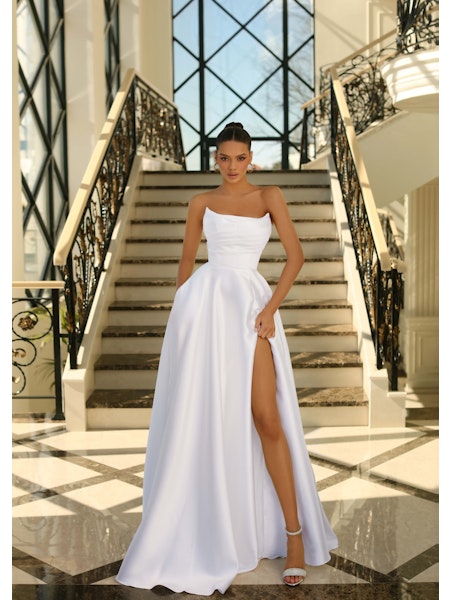


A formal gown can look incredible on the hanger, then reveal a few surprises once you move, sit, raise your arms or step into heels. So, do formal dresses need alterations? Often, yes - but not always. The goal is not to change the entire dress. It is to make sure the gown fits your body, your shoes and your event so you can feel confident from photos through to the final dance.
For a school formal, prom, black-tie wedding or special evening event, small adjustments can make a dramatic difference. A gown that is just slightly too long, loose through the bodice or uneven at the hem can distract from an otherwise beautiful look. The right fit lets the dress do what it should: flatter your shape and help you feel completely yourself.
Most formal dresses are made to standard sizing, not to one individual set of measurements. That means even when you choose the size that fits you best, there may be areas that need refining. This is completely normal and does not mean you have chosen the wrong gown.
The most common alterations are simple ones. Hemming is often needed when a dress is worn with heels, particularly with a full-length skirt or train. Taking in the bodice can help a strapless, off-the-shoulder or fitted gown stay secure. Straps may need shortening so the neckline sits where it should, while cups can sometimes be adjusted to create more support and shape.
Whether alterations are necessary depends on the design as much as the fit. A relaxed A-line gown with adjustable straps may need very little work. A heavily fitted mermaid silhouette, structured corset bodice or beaded gown is more likely to need precise adjustments. Dresses with intricate lace, sequins, appliqué or boning can be altered, but they require an experienced dressmaker who understands occasionwear construction.
The best test is not simply whether you can zip the gown up. Stand tall, walk around, sit down and move your arms naturally. If you are constantly pulling at the neckline, holding the skirt off the floor or feeling restricted through the hips, it is worth having the fit assessed.
It is tempting to focus on the number on the size tag, but formalwear sizing can vary between designers and styles. Choose the gown that fits the largest part of your body comfortably, then plan any smaller adjustments from there. It is generally easier to take a dress in than to let it out, especially if there is limited seam allowance or detailed embellishment.
When trying on gowns, wear supportive underwear similar to what you plan to wear on the night. If you already have your formal shoes, bring them along too. Heel height changes the way the hem falls and can also affect your posture, so it is much easier to make a confident decision with the full look in mind.
At The Bridal Company, the appointment experience gives you time to try different silhouettes and see how each one feels on your body. A gown should suit more than a photo moment. It should feel comfortable enough for dinner, dancing and every excited hug from family and friends.
A floor-length hem is one of the biggest priorities. It should skim the floor without becoming a trip hazard. If your event includes stairs, an outdoor arrival or plenty of dancing, the right length matters even more. Always have the hem considered with your event shoes on, rather than guessing based on bare feet or a different heel height.
The bodice deserves equal attention. A fitted bodice should feel supportive but allow you to breathe, sit and move freely. If it gapes at the neckline, wrinkles across the bust or slides down when you walk, an adjustment may help. For dresses with straps, make sure they are secure without digging into your shoulders.
The waist and hips are also worth checking, particularly in sleek satin, crepe or fitted silhouettes. These fabrics show every pull and crease, so a carefully tailored fit can create a much cleaner line. On the other hand, do not over-fit a dress. You need room to sit, eat and enjoy the occasion without worrying about seams under pressure.
Do not leave your fitting until the week of your event. Once you have chosen your gown, organise a consultation with a qualified dressmaker well ahead of time. This gives you breathing room for fittings, adjustments and any final refinements, rather than adding unnecessary stress to an already exciting lead-up.
Your first fitting should include the shoes, underwear and any shapewear you will wear on the night. If you are considering a different bra, a lower heel or no shapewear at all, decide before the final fitting. Even small changes can alter the way a gown sits.
It is also wise to avoid major last-minute changes to your body where possible. Normal fluctuations happen, and a skilled dressmaker can advise on what is practical, but leaving enough time protects your options. A final check close to the event is useful to confirm the hem, zip, straps and overall comfort are exactly right.
Not every issue should be solved with alterations. If a dress feels uncomfortable in several areas, needs significant redesigning or does not reflect the look you truly want, it may be better to keep searching. Your formal gown should feel exciting from the beginning, not like a compromise that requires endless changes.
Be especially thoughtful with highly embellished dresses. Moving beadwork, changing a complex neckline or reshaping a corseted bodice may affect the balance and finish of the original design. That does not mean these changes are impossible, but it is worth discussing the result carefully with your dressmaker before proceeding.
Likewise, if you know you want freedom to dance, a dramatic fishtail skirt may not be the right choice simply because it looks beautiful standing still. The best dress balances the style you love with the way you want to enjoy your event.
Bring everything that affects the fit and be honest about how the gown feels. A good fitting is not the time to be polite about a neckline that feels too low or a hem that catches under your shoes. Point out where you feel unsure, then move around in the gown so those concerns can be checked properly.
Ask whether you will be able to sit comfortably, whether the dress needs a bustle or loop for dancing, and how to manage the gown if you are wearing it outdoors. If the dress has a long train or a very full skirt, practise walking and turning before the event. A little preparation makes a big difference once all eyes are on you.
Most importantly, remember that alterations are not a sign that something has gone wrong. They are often the final step that turns a beautiful formal dress into your dress. Choose a style you love, allow time for the fit to be refined, and book your showroom appointment when you are ready to find the gown that makes your special event feel even more unforgettable.